
Your 7-Day Diet Plan for Menopause: A Mediterranean Approach to Balanced Health
Menopause marks a significant transition for many women, bringing about shifts in hormones, fluctuations in energy and big emotions.

The good news is that dietary and lifestyle factors can significantly influence the severity and intensity of many menopausal symptoms, so making some changes to what you eat and how you live can be helpful during this time.
To help you get started, here's a 7-day diet plan for menopause that can help stabilise your hormones, protect your bone density and maintain a healthy weight. It's also anti-inflammatory and macronutrient-focused to help promote overall better health. Read on for more and remember – this too shall pass!
What is Menopause?
Menopause is a normal part of a woman's life cycle that marks the end of menstruation and fertility, typically occurring between the ages of 45 and 55. However, the period of perimenopause begins several years before this, often during a woman's 40s.
During this time, women may start to notice irregularities in their menstrual cycles and a gradual decline in oestrogen production from the ovaries occurs. Other notable symptoms include hot flushes, mood changes, weight gain and disrupted sleep. Menopause officially starts when a woman has gone 12 consecutive months without a menstrual period.
Some women cruise through their menopause journey, while others seem to draw the short straw, struggling through all manner of unpleasant symptoms. For these women, the overall experience can feel overwhelming and difficult to navigate, and support through natural medicine, supplements or hormone replacement therapy can be beneficial.

Your 7-Day Diet Plan for Menopause Template
Here is a practical, week-long guide to help balance your hormones and support your overall wellbeing during menopause. Explore the notes below to see how you can customise this 7-day diet plan to suit your individual needs.
Day 1
-
Breakfast: Scrambled eggs with a handful of spinach and a slice of rye toast.
-
Lunch: A large mixed green salad topped with sliced grilled chicken breast, cherry tomatoes, cucumber and a green goddess dressing.
-
Dinner: Baked crumbed fish served with steamed bok choy, broccoli and a small portion of quinoa.
Day 2
-
Breakfast: Rolled oats cooked with almond milk, topped with a handful of walnuts and dried blueberries.
-
Lunch: A whole-grain wrap filled with sliced turkey or chicken, tomato, avocado, grated carrot and Dijon mustard.
-
Dinner: Grilled salmon alongside roasted sweet potatoes and steamed green beans.
Day 3
-
Breakfast: A bowl of full-fat Greek yoghurt topped with chia seeds, pecans, raspberries and a drizzle of honey.
-
Lunch: A quinoa and chickpea salad mixed with crumbled feta cheese, red onion, and cucumber.
-
Dinner: Beef strips pan-fried with garlic, ginger and dark soy sauce, with broccoli, baby corn and capsicum, served over a bed of brown rice.
Day 4
-
Breakfast: A healthy smoothie blended with spinach, a scoop of collagen or hemp protein powder, half a banana, honey and flaxseeds.
-
Lunch: Chicken and vegetable soup served with a small side of sourdough bread.
-
Dinner: Firm tofu pan-fried with snow peas, mushrooms, and a light sesame-ginger dressing, served with vermicelli noodles and fresh coriander.
Day 5
-
Breakfast: Chia seed pudding made with coconut milk and topped with pepitas and sunflower seeds.
-
Lunch: A tuna salad mixed with diced celery, olive oil and fresh mixed greens.
-
Dinner: Lentil curry with coconut-infused basmati rice
Day 6
-
Breakfast: Nordic nut toast topped with cottage cheese, sliced dried figs and honey.
-
Lunch: A roasted beetroot and pumpkin salad with mixed seeds and a lemon-tahini dressing.
-
Dinner: A Mediterranean-style chicken tray bake with kalamata olives, artichoke hearts, potatoes and cherry tomatoes.
Day 7
-
Breakfast: A vegetable-packed omelette with mushrooms, red onions, spinach and capsicum.
-
Lunch: Leftover chicken bake from the night before, paired with a fresh Mediterranean side salad.
-
Dinner: Grilled prawns served over a bed of zucchini noodles and Napoli-style garlic tomato sauce.

Healthy Menopause-friendly Snacks
Sometimes you just need a snack to keep you fuelled throughout the day. Here are a few healthy options that can help curb cravings and support your health during this important phase.
-
Boiled eggs
-
Sliced apple and almond butter
-
Carrot sticks and hummus
-
Celery and peanut butter
-
Berries and chia seeds
-
Edamame
-
Flaxseed crackers
-
A handful of almonds, Brazil nuts or cashews
-
Avocado and wholegrain crackers
-
Dark chocolate (70% or more)
What is the Menopause Diet and Why Does it Work?
The menopause diet is a targeted approach to eating that can make a profound difference as you enter perimenopause and menopause. The foundation of this diet plan revolves around a high-protein, low-GI (glycaemic index) and high-fibre framework.
It also borrows from the Mediterranean diet, which naturally ticks many boxes for menopause support. Some of the health benefits of a Mediterranean-inspired approach include reduced inflammation, improved cardiovascular health, more sustained energy and improved blood sugar control. Many of the foods suggested below also include critical nutrients for healthy bones, nervous system and hormones.
What Foods to Include in a Menopause Diet Plan
A key food focus for this diet plan is to prioritise:
Protein (around 25g per meal)
Maintaining muscle mass becomes more challenging as we age. Protein is essential for muscle repair and growth, immune function and keeping you feeling full after a meal. Foods such as grass-fed beef, organ meats, chicken, fish, eggs and plant-based protein sources are valuable to include in a menopause diet plan.
Vitamin D and calcium-rich foods
The decline in oestrogen during menopause can impact bone density, which increases the risk of osteoporosis. To support bone health, include calcium-rich foods such as dairy, eggs, prunes, plums, leafy greens, white beans, sardines and tofu in your diet. Vitamin D, obtained through safe sun exposure or supplementation, is also important for maintaining bone health, immune function and overall vitality.
Phytoestrogens
Phytoestrogens are unique plant compounds that weakly mimic the effects of oestrogen in the body. Consuming them may help alleviate some menopause symptoms for certain women. Foods like tofu, tempeh, flaxseeds, soy and sesame seeds are great sources and are among the top foods to keep your hormones healthy during this hormonal transition.
Low-GI foods
Low-GI foods digest slowly and provide a steady release of glucose into the bloodstream after consumption. This prevents the rapid spikes in blood sugar that can cause a consequent rise in insulin, resulting in fatigue, irritability and mood swings. Foods such as rolled oats, brown rice and most fruit and vegetables are high-quality, low-GI options to help keep your energy stable.
Dietary fibre: Fibre is a cornerstone of digestive health and plays a crucial role in blood sugar regulation, supports a healthy microbiome, helps you feel full and promotes heart health. Wholegrains such as spelt, millet, rye, triticale and sorghum provide a source of vitamins, minerals and healthy fibre to support your health.
Healthy fats: Essential fats, such as omega-3 and omega-6 monounsaturated and polyunsaturated fats, are necessary for hormone production and cellular repair while providing important anti-inflammatory benefits. You can find these healthy fats abundantly in avocados, extra virgin olive oil, coconut oil, nuts and seeds.

Lifestyle Considerations: What Else Can Help?
There's also a range of lifestyle changes you can make to support your body through menopause.
Exercise
Regular physical activity is important for preserving muscle mass, strengthening bones and supporting cardiovascular health. A combination of resistance training, like lifting weights and cardiovascular exercises, such as brisk walking or swimming, yields good results. Exercise also acts as a brilliant natural mood booster by releasing endorphins.
Hydration
Staying hydrated is essential during menopause, as it helps regulate body temperature, supports digestion and combats common symptoms like skin dryness and bloating. Drinking plenty of water throughout the day can also help maintain your energy levels and reduce inflammation.
Stress Management
High stress levels elevate cortisol, which can worsen menopause symptoms and lead to weight gain around the abdomen. Incorporate stress-reducing techniques into your daily routine. Practices like deep breathing exercises, yoga, meditation or simply spending quiet time in nature can significantly lower stress and improve your overall quality of life.
Sleep
Quality sleep is essential for hormonal balance and cellular repair. Unfortunately, night sweats and anxiety can disrupt sleep patterns during menopause. Establish a calming bedtime routine to signal to your body that it is time to rest. Keep your bedroom cool, avoid caffeine in the afternoon and limit screen time before bed to encourage restful sleep.
Embrace Your Health with the Menopause Diet
Menopause does not have to feel like an uphill battle. Using the above 7-day diet plan as a guide, which is full of high-protein, low-GI and healthy foods, can help provide your body with the nutrients it needs during this critical time. Experiment with new, healthy recipes and embrace the change with confidence and vitality.
3 Healthy Recipes for Your 7-Day Menopause Diet Plan
Here are three nutritious, delicious and easy-to-prepare recipes that use the menopause diet principles to help you get started.
Recipes

Chia Seed and Berry Parfait
This simple chia seed and berry parfait is a nutritious and delicious way to start your day or enjoy as a wholesome snack.
Ingredients
- 1/4 cup chia seeds
- 1 cup unsweetened nut milk
- 1 tsp honey or maple syrup (optional)
- 1 cup mixed berries (blueberries, raspberries, strawberries)
- 2 tbsp slivered almonds
Method
- Mix chia seeds, almond milk, and honey (if using) in a jar or bowl. Refrigerate for at least 4 hours or overnight until it forms a pudding-like consistency.
- Layer the chia pudding with mixed berries in a glass or bowl.
- Top with crushed nuts for added crunch.

Salmon and Quinoa Salad
This vibrant salmon and quinoa salad is packed with omega-3 fats, high-quality protein and fibre, making it a perfect option for a wholesome meal.
Ingredients
- 1 cup cooked quinoa
- 1 medium salmon fillet (grilled or baked)
- 2 cups mixed greens (spinach, arugula, or kale)
- 1/2 avocado, sliced
- 1/4 cup pomegranate seeds
- 1 tbsp olive oil
- Juice of 1/2 lemon
- Salt and pepper to taste
Method
- Cook the quinoa and allow it to cool.
- On a plate, layer the mixed greens, quinoa and salmon.
- Top with sliced avocado and pomegranate seeds.
- Drizzle olive oil and lemon juice over the salad, then season with salt and pepper.

Slow-Cooked Lentil Curry
This nourishing slow-cooked lentil curry is packed with plant-based protein, fibre and anti-inflammatory spices, making it a perfect comfort meal to support hormonal balance and overall wellness during menopause.
Ingredients
- 1 cup dried red lentils, rinsed
- 1 medium onion, finely chopped
- 3 garlic cloves, minced
- 1 tablespoon ginger, grated
- 1 can (400g) diced tomatoes
- 1 can (400ml) coconut milk
- 1 cup vegetable stock
- 2 teaspoons turmeric powder
- 1 teaspoon ground cumin
- 1 teaspoon ground coriander
- ½ teaspoon cayenne pepper (optional)
- 1 teaspoon garam masala
- 2 cups baby spinach leaves
- Fresh coriander and lime wedges for garnish
Method
- Place the lentils, onion, garlic, ginger, tomatoes, coconut milk, vegetable stock, turmeric, cumin, coriander, cayenne pepper, and garam masala into a slow cooker. Stir to combine.
- Cover and cook on low for 6-8 hours or on high for 3-4 hours, until the lentils are tender and the curry is thickened.
- About 10 minutes before serving, stir in the baby spinach leaves until wilted.
- Serve warm with steamed brown rice, basmati rice or quinoa, and garnish with fresh coriander and a squeeze of lime.
Shop Now


Brazil Nuts


Chia Seeds




Macadamia Nuts Roasted and Salted


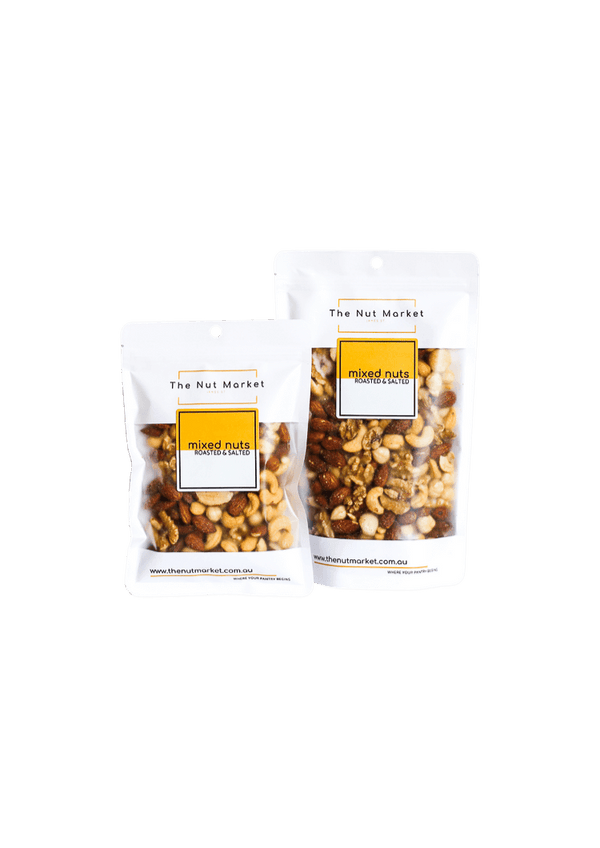
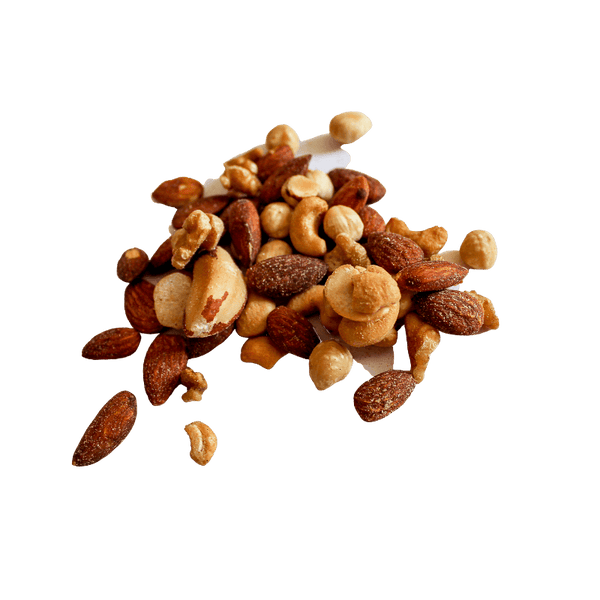
Mixed Nuts Roasted and Salted Deluxe


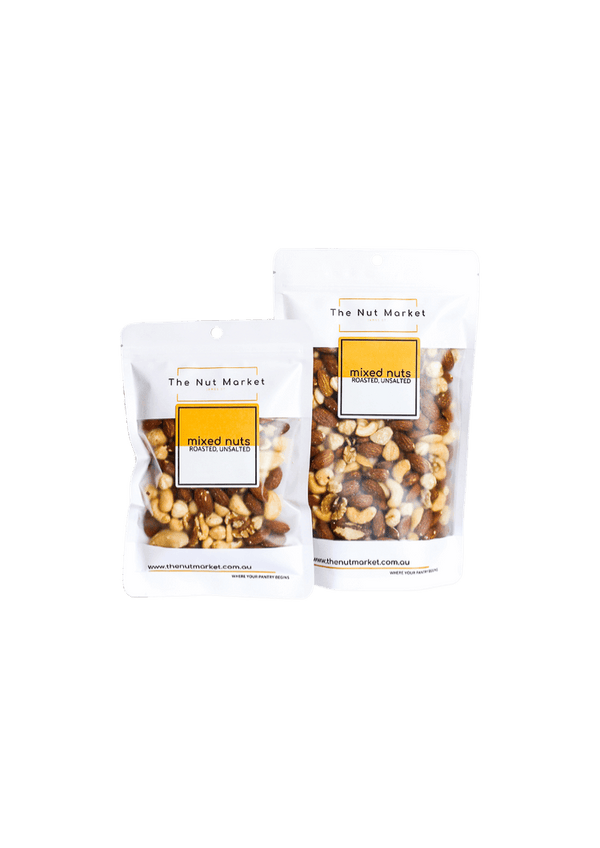
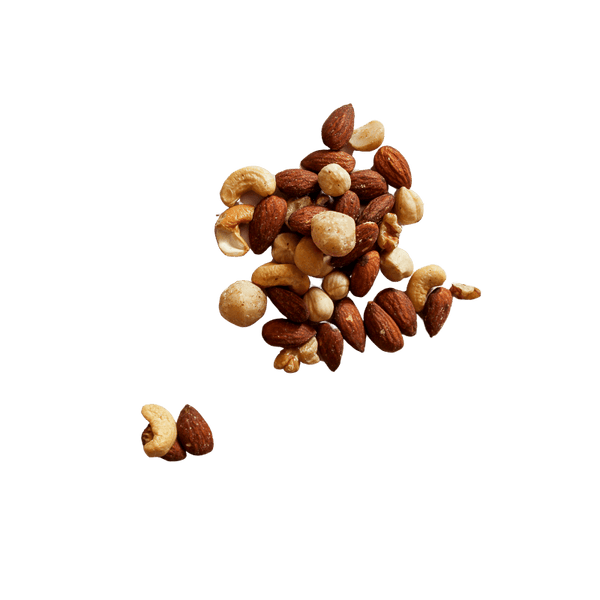
Mixed Nuts Roasted Unsalted Deluxe


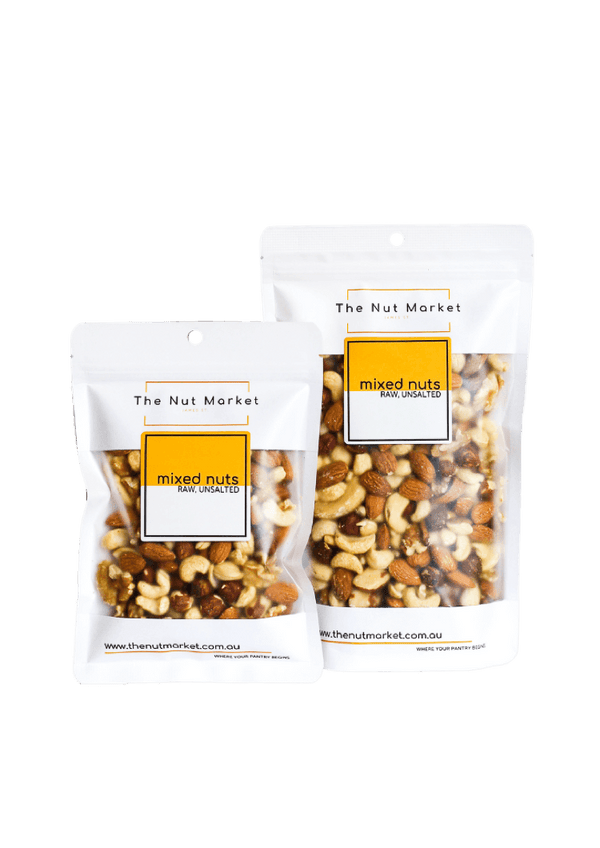
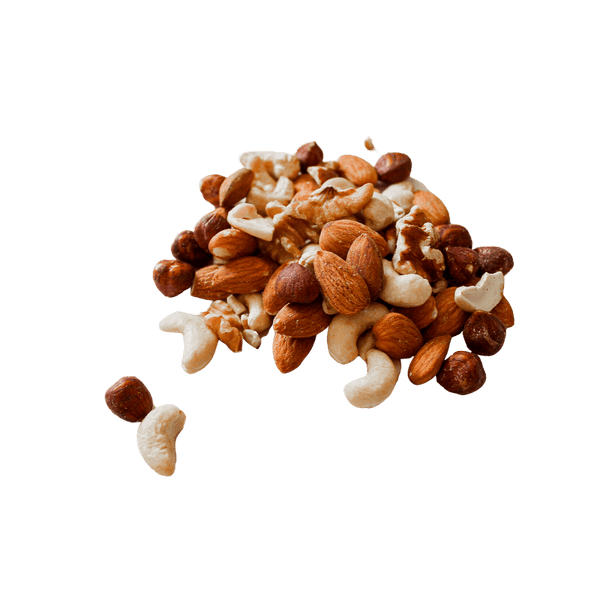
Mixed Raw Nuts Deluxe


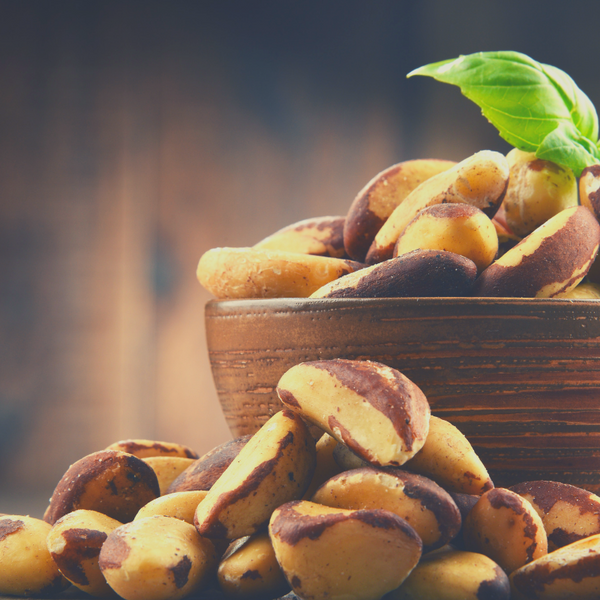
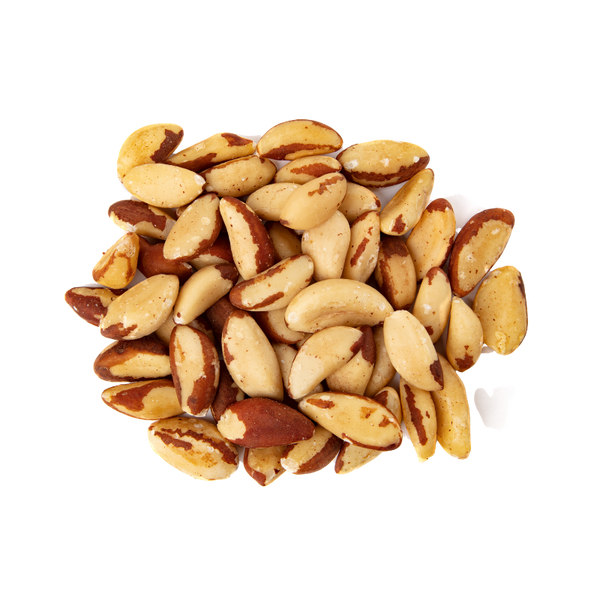


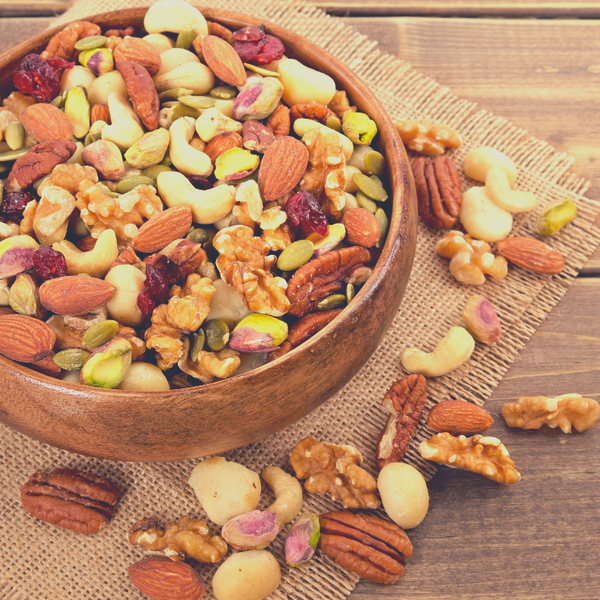
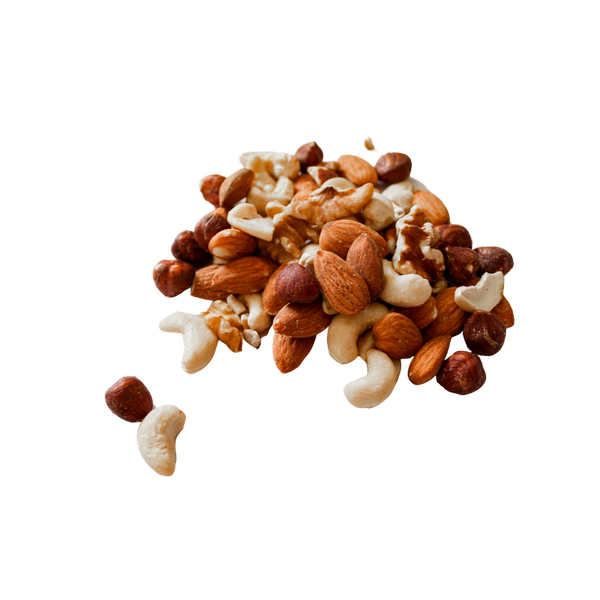
Organic Mixed Raw Nuts


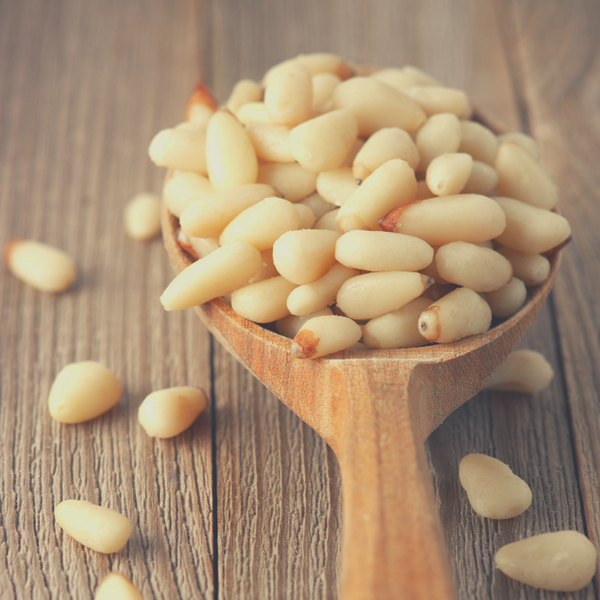
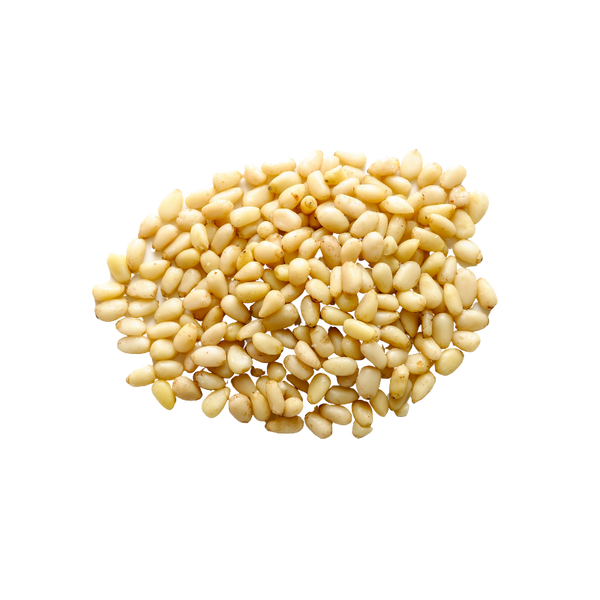
Organic Pine Nuts


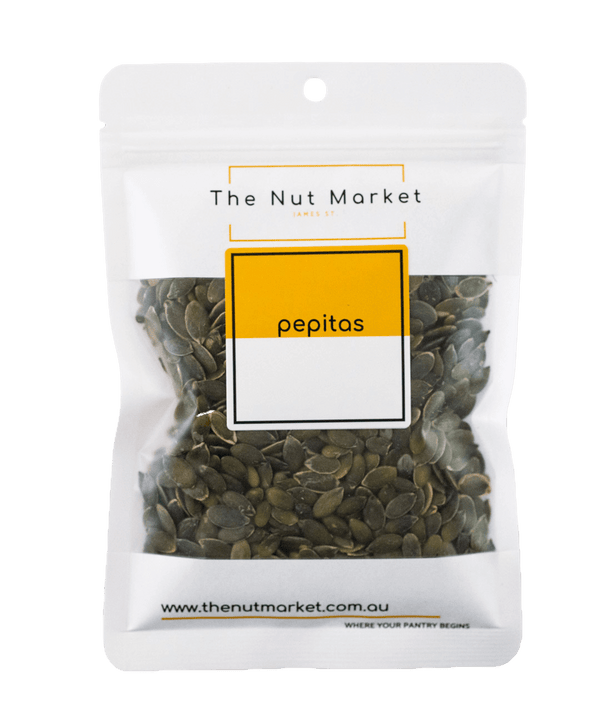
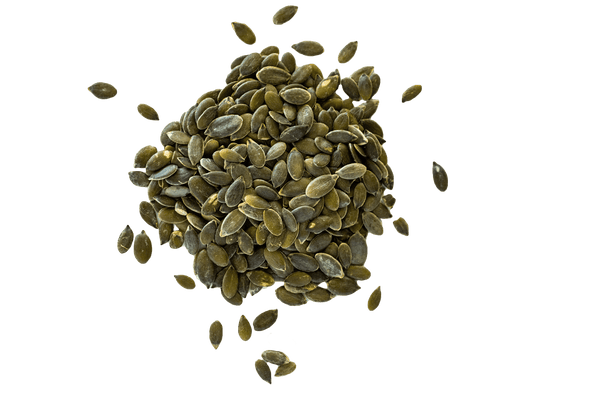
Pepitas - Pumpkin Seeds


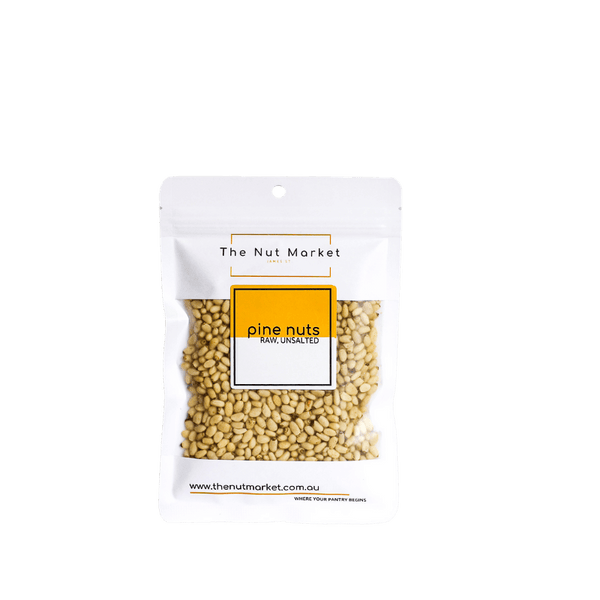
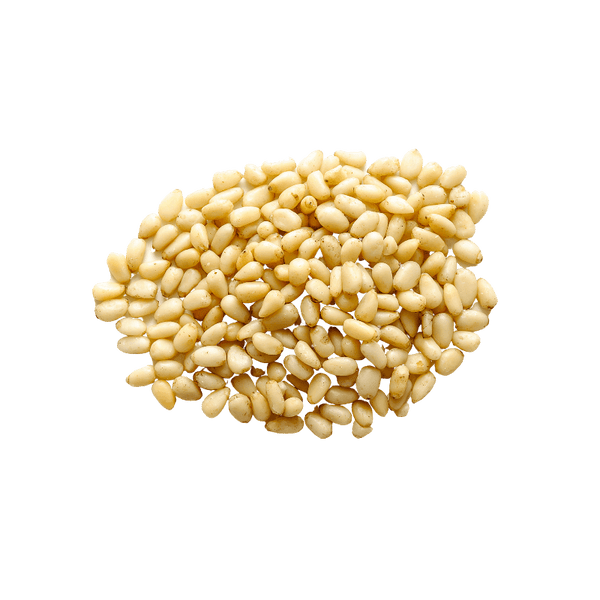
Pine Nuts


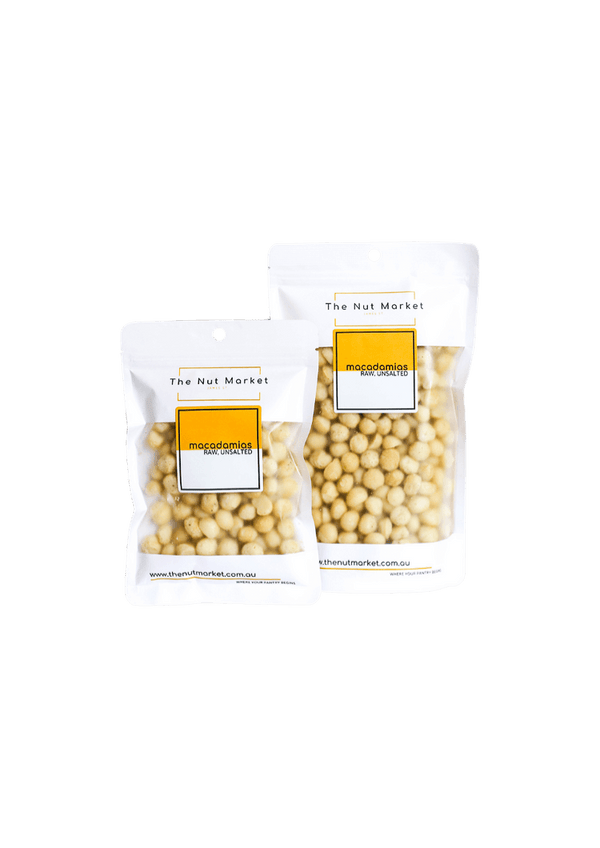
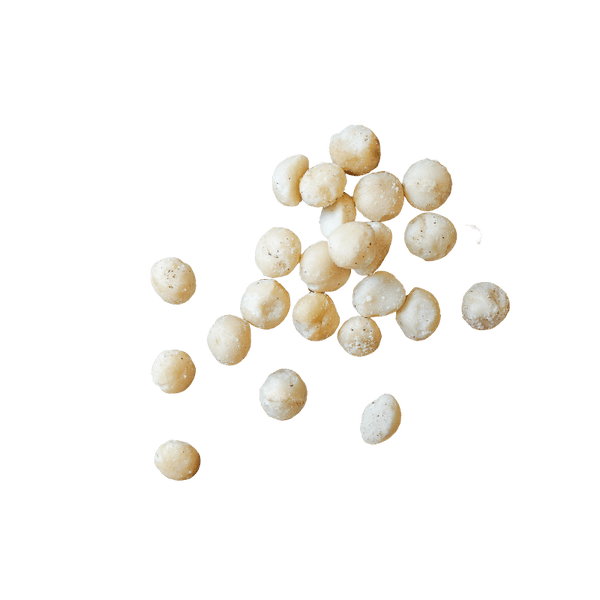
Raw Macadamia Nuts


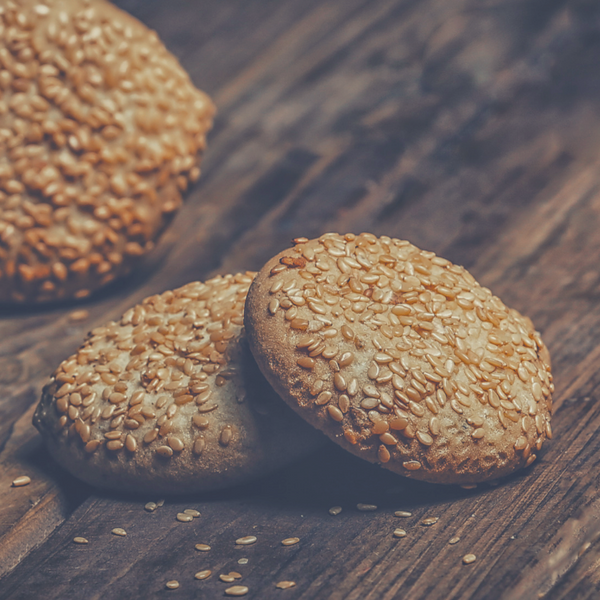
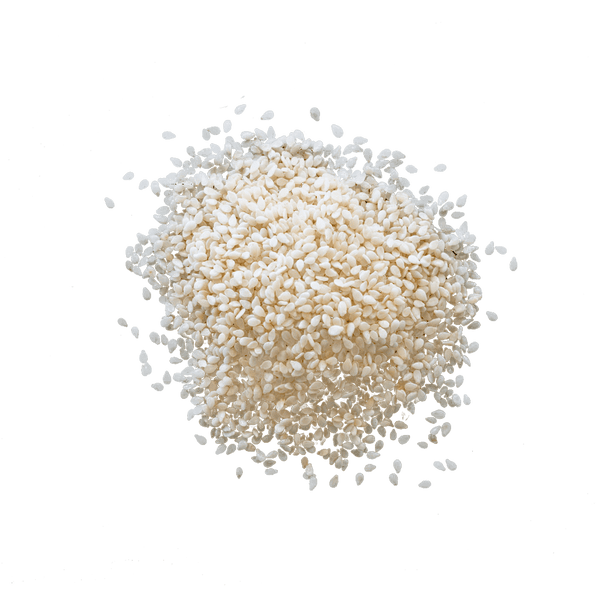
Sesame Seeds




Sunflower Seeds
Article References
Australasian Menopause Society. (n.d.). Nutrition and menopause. AMS. Retrieved April 27, 2026, from https://hub.menopause.org.au/Play?pId=d2831445-cebb-4f46-a07b-fe1e8f0e7789
Barrea, L., Pugliese, G., Laudisio, D., Colao, A., Savastano, S., & Muscogiuri, G. (2021). Mediterranean diet as medical prescription in menopausal women with obesity: a practical guide for nutritionists. Critical reviews in food science and nutrition, 61(7), 1201–1211. https://doi.org/10.1080/10408398.2020.1755220
Cabre, H. E., Woolf, E. K., & Redman, L. M. (2024). Precision Nutrition for Management of Cardiovascular Disease Risk during Menopause. Lifestyle genomics, 17(1), 93–101. https://doi.org/10.1159/000540337
CSIRO. (n.d.). The CSIRO Total Wellbeing Diet: Menopause Plan. Total Wellbeing Diet. Retrieved April 27, 2026, from https://www.totalwellbeingdiet.com/au/the-diet/menopause-plan/
Denby N. (2023). Menopause: Nutrition and weight gain. Post reproductive health, 29(4), 232–234. https://doi.org/10.1177/20533691231180721
Erdélyi, A., Pálfi, E., Tűű, L., Nas, K., Szűcs, Z., Török, M., Jakab, A., & Várbíró, S. (2023). The Importance of Nutrition in Menopause and Perimenopause-A Review. Nutrients, 16(1), 27. https://doi.org/10.3390/nu16010027
Healthdirect Australia. (n.d.). Menopause. Healthdirect. Retrieved April 27, 2026, from https://www.healthdirect.gov.au/menopause
Menopause Centre. (n.d.). The best diets for menopause. Retrieved April 27, 2026, from https://menopausecentre.com.au/blog/the-best-diets-for-menopause
Polasek, D., Santhi, N., Alfonso-Miller, P., Walshe, I. H., Haskell-Ramsay, C. F., & Elder, G. J. (2024). Nutritional interventions in treating menopause-related sleep disturbances: a systematic review. Nutrition reviews, 82(8), 1087–1110. https://doi.org/10.1093/nutrit/nuad113
Pugliese, G., Dr, Barrea, L., Dr, Laudisio, D., Dr, Aprano, S., Dr, Castellucci, B., Dr, Framondi, L., Dr, Di Matteo, R., Dr, Savastano, S., Prof, Colao, A., Prof, & Muscogiuri, G., Dr (2020). Mediterranean diet as tool to manage obesity in menopause: A narrative review. Nutrition (Burbank, Los Angeles County, Calif.), 79-80, 110991. https://doi.org/10.1016/j.nut.2020.110991
Vetrani, C., Barrea, L., Rispoli, R., Verde, L., De Alteriis, G., Docimo, A., Auriemma, R. S., Colao, A., Savastano, S., & Muscogiuri, G. (2022). Mediterranean Diet: What Are the Consequences for Menopause?. Frontiers in endocrinology, 13, 886824. https://doi.org/10.3389/fendo.2022.886824
Yelland, S., Steenson, S., Creedon, A., & Stanner, S. (2023). The role of diet in managing menopausal symptoms: A narrative review. Nutrition bulletin, 48(1), 43–65. https://doi.org/10.1111/nbu.12607