
Realities of a 1200-Calorie Diet: What to Keep in Mind
It sounds so simple: eat 1200 calories and watch the extra kilos fall away. But the truth about this diet approach is a bit more complicated.

For some people, under the right circumstances, 1200 calories can be a safe and efficient way to hit their weight target. For the majority of healthy adults, this energy intake is far too low and the physiological consequences go well beyond the number on the scale. Calorie restriction affects your energy, your hormones, your muscles and even your mood.
Find out what a 1200-calorie diet really involves, who it might suit and the risks worth knowing about before you start. We'll also explore gentler, more sustainable and well-rounded ways to manage your weight before deciding whether a 1200-calorie diet is right for you.
Does the 1200-calorie diet work?
A 1200-calorie diet is the lowest energy intake most adults can follow while still meeting their basic nutritional needs. However, it's quite restrictive for most people and without careful planning and supervision, it can be detrimental to your overall health.
Things to look out for include muscle loss, nutrient deficiencies, a slower metabolism and developing a difficult relationship with food. This may be an effective short-term approach for weight loss, yet it can carry significant risk to your long-term health.
How many calories (or kilojoules) should you eat each day?
A calorie is a unit of energy. More specifically, the "calorie" listed on food labels is actually a kilocalorie, which is the amount of energy required to raise the temperature of one kilogram of water by one degree Celsius.
Here in Australia, food packaging primarily uses kilojoules (kJ) rather than calories. The two measure the same thing, just on different scales. One calorie equals roughly 4.18 kilojoules, so a 1200-calorie diet works out to about 5,020 kilojoules per day.
In terms of Australian guidelines, the average energy intake is 8,700 kJ (around 2,080 calories) for an adult maintaining their weight, which is helpful to remember when you’re reading nutrition labels. A 1200-calorie goal sits well below that figure, representing a significant reduction in food intake and overall energy intake for most people.
What factors influence your daily energy needs?
There's no single right number that suits everyone. Your ideal energy intake depends on several factors:
-
Biology and physiology: Males generally require more energy than females due to differences in body composition. Moreover, taller, heavier people often need more energy than smaller people.
-
Activity level: The more you move, the more fuel your body needs. Those with physically demanding jobs or who engage in regular, intense exercise will have a higher energy requirement than those with more sedentary lifestyles.
-
Growth and life stage: Children, teenagers and people who are pregnant or breastfeeding have higher overall energy, food and nutrient requirements. Older adults tend to require less energy compared to younger people.

A 1200-calorie diet breakdown: what does it look like?
Here's an example of what 1200 calories actually looks like for 3 days across breakfast, lunch, dinner and snacks.
Day 1
-
Breakfast: 1/2 cup mixed berries, 1/4 cup granola and 170g plain Greek yoghurt.
-
Lunch: 85g grilled chicken breast over iceberg lettuce with cucumber, cherry tomato, shredded carrot and a light balsamic vinaigrette. Add 1 cup chopped fruit as a side.
-
Dinner: 115g cod or white fish with lemon juice and olive oil, Brussels sprouts and quinoa pilaf with red capsicum, onion, garlic and parsley.
-
Snacks: 1 small pear and 1 tablespoon of peanut butter.
Day 2
-
Breakfast: Scrambled eggs (3 large eggs) cooked with spinach and a sprinkle of Parmesan cheese, served with half a slice of wholegrain toast and 1/2 cup of strawberries.
-
Lunch: 90g baked salmon with steamed asparagus and 1/2 cup of wild rice, plus a small green apple.
-
Dinner: 110g (3.8 oz) grilled chicken thigh with zucchini noodles and a side of roasted sweet potato cubes
-
Snacks: 10 almonds and 1 small mandarin.
Day 3
-
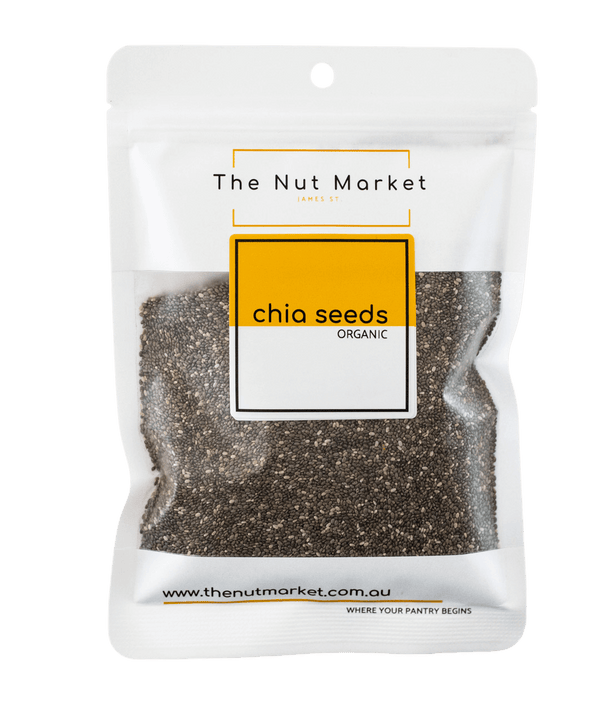
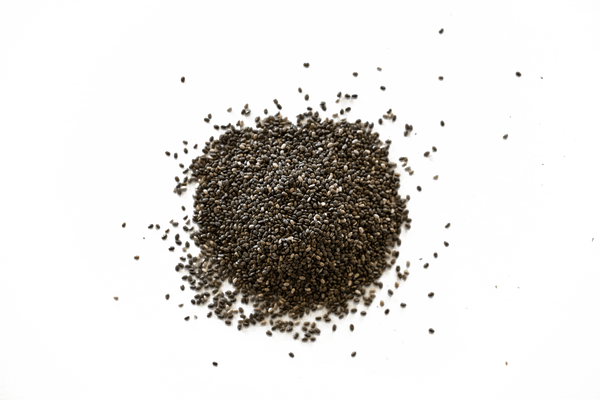
Breakfast: A smoothie made with 1 cup of unsweetened almond milk, 1/2 banana, 1/2 cup of spinach and 1 tablespoon of chia seeds, served with a slice of rye toast.
-
Lunch: Turkey and avocado wrap using 1 small tortilla, 50g of turkey slices, 1/4 avocado, spinach, and a dollop of Greek yogurt.
-
Snacks: 1 hard-boiled egg and 1/2 cup low-fat cottage cheese.
Safety considerations of a 1200-calorie diet
Calorie restriction does produce quick weight loss in the early days. But much of that initial loss could be due to dehydration and, depending on your specific metabolic signalling, muscle tissue, rather than fat. The reality is that weight loss varies from person to person, and factors like meal timing, food quality, and metabolic adaptation all play a role. Some people may find their progress slows as their body adjusts.
For most adults, 1200 calories a day is simply too low, with side effects including dizziness, headaches, irritability, fatigue and nausea. It's also fair to say that this and other very low-calorie diets are not suitable for everyone. Those who are underweight, those with a history of disordered eating, pregnant or breastfeeding mothers and children should avoid this dietary approach.
People who have complex autoimmune, metabolic or other chronic conditions should seek the advice of their doctor before attempting a 1200-calorie diet.
Can a 1200-calorie diet be nutritionally complete?
It's a challenge, but it wouldn't be impossible. The main thing to remember is that the fewer calories you consume, the more mindfully you need to eat, choosing healthy options as you go.
At a 1200-calorie intake, achieving adequate amounts of required macronutrients (protein, carbohydrates and fats) and micronutrients (vitamins and minerals) requires careful planning. The examples provided above are good starting points, so working from these, it's important to ensure that every food choice contributes meaningfully to your energy intake and nutritional needs.
There is a genuine risk of developing nutrient deficiencies if the calories you consume are not sourced from whole, nutrient-dense foods. If you were to eat only processed foods, snacks and carbohydrates while staying within the calorie limit, you might run into problems quickly and lack essential nutrients. This highlights the critical importance of food quality over calorie counting.
Potential nutrient deficiencies and how to avoid them
Long-term calorie restriction raises the risk of malnutrition, which can lead to fatigue, weakness, frequent illness, slower healing, low mood, feeling cold and difficulty concentrating. There may also be additional impacts on your cardiovascular and digestive system, microbiome and fertility if left unaddressed for lengthy periods.
To reduce these risks, you'll want to focus on foods that boost your memory, brain health, gut health, growth needs, immune system, mood, hormones, fertility and heart health to ensure that you get the most out of every calorie.
-
Prioritise quality protein: Chicken, turkey, seafood, eggs, legumes and Greek yoghurt are filling and nutrient-rich protein sources.
-
Load up on colourful vegetables: Leafy greens, broccoli, capsicum, and carrots offer fibre, micronutrients and plant antioxidants for very few calories.
-
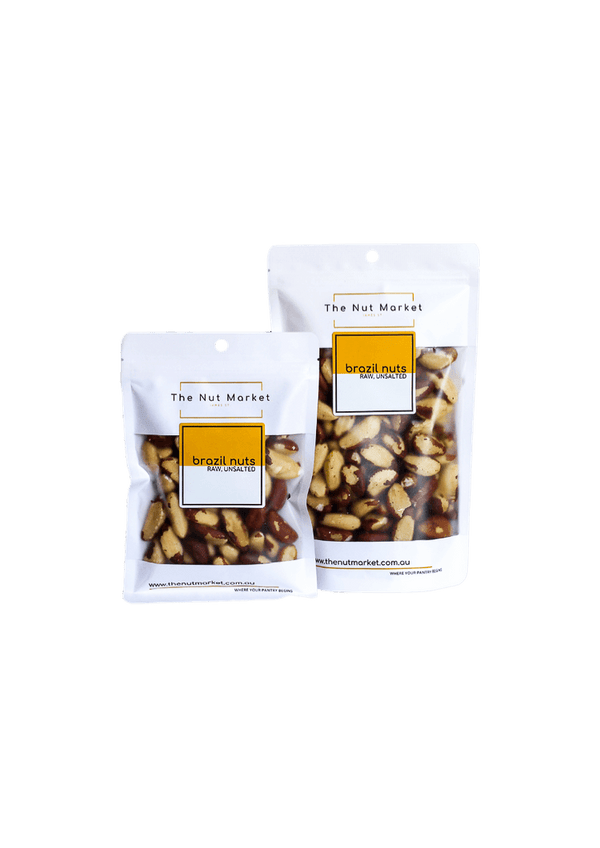
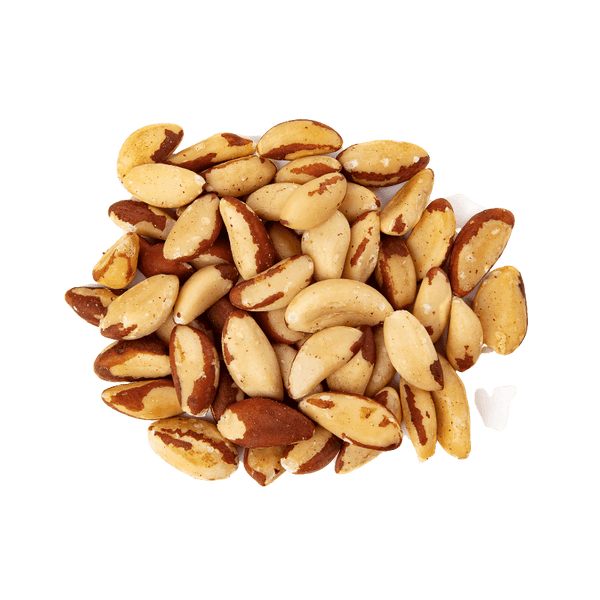
Choose healthy fats: Small amounts of avocado, nuts, seeds, and olive oil support hormone and brain function and are wonderful sources of healthy fats.
-
Skip empty calories: Soft drinks, white bread and processed foods are high in calories but offer minimal nutritional value in return.
The metabolic and physiological impacts of severe calorie restriction
Your body is remarkably good at adapting to scarcity and that adaptation can work against your weight-loss goals. When you cut calories, your body may slow the rate at which it burns energy, as it now thinks you're in a famine and need to conserve your energy stores.
People who adopt a 1200-calorie diet may burn fewer calories over time, which can stall weight loss. This metabolic slowdown is part of why crash diets so often backfire.
Food or calorie restriction also disrupts your hunger hormones, such as ghrelin (the hunger hormone) and leptin (the 'full' hormone). The knock-on effects show up everywhere: low energy, low blood glucose, persistent fatigue and foggy thinking and feeling hangry.
You may also risk muscle breakdown. Because your body can burn muscle for fuel, aggressive dieting without enough protein or strength training erodes the very tissue that keeps your metabolism humming. Protecting muscle mass is critical for your long-term health.
Prolonged extreme restriction can also impact organ systems and weaken immune function. This may lead to an increased risk of infections, slow healing, poor digestive function and impaired detoxification pathways.
The psychological and social impacts of extreme dieting
Constantly thinking about food, counting every calorie and resisting hunger can take a real mental toll. Many people on very low-calorie diets report increased irritability, anxiety and obsessive thoughts about eating.
Severe dieting can also shrink your social world. When every meal out feels like a minefield, it's easy to start declining invitations to dinner with friends. Over time, food can shift from being a source of pleasure and social connection to a source of stress. A healthy relationship with eating is worth far more than any number on the scale.
Who might benefit from a 1200-calorie diet?
It's essential to remember that attempting a low-calorie diet and monitoring calories in general is only one piece of the puzzle when it comes to weight management.
There are situations where a low-calorie or very low-calorie diet is appropriate, sometimes prescribed by doctors for a specific medical reason. This may include managing severe obesity or preparing a patient for surgery. In these cases, the diet is carefully calculated, monitored and supported by a dedicated healthcare team.
In this way, before attempting a 1200-calorie diet, you should seek the advice of a healthcare professional to make sure it's safe, appropriate and achievable for your specific health goals.

Better alternatives for healthy weight loss
If your goal is lasting health, rather than just cutting calories for quick weight loss, there are some gentler strategies that almost always win out. Here's where to focus instead:
-
Aim for a modest calorie reduction: Instead of a drastic cut, a more sustainable approach is to trim around 500 calories from your daily maintenance level. This creates a gentle deficit that encourages steady, sustainable fat loss without shocking your system or leaving you feeling deprived.
-
Build meals around whole foods: Prioritise nutrient-dense, unprocessed foods from a variety of sources. Construct your meals with lean proteins (like chicken, fish, or legumes) as a base, then add healthy fats like organic butter, olive oil or avocado and complex carbohydrates to keep you full and nourished.
-
Practise mindful eating: Pay attention to your body's natural hunger and fullness signals. By eating slowly, savouring each bite and avoiding distractions during meals, you can better recognise when you are genuinely hungry and when you are satisfied. This helps prevent both overeating and emotional eating.
-
Move your body (and lift weights): Incorporate consistent physical activity into your routine. While all movement is beneficial, strength training is especially crucial during weight loss. Lifting weights helps preserve lean muscle mass, which is vital for maintaining a healthy metabolism and ensuring that the weight you lose is primarily from fat, not muscle.
-
Seek personalised guidance: Working with an accredited dietitian or nutritionist can provide you with a tailored plan that considers your specific health needs, dietary preferences, and lifestyle. This professional support ensures you're on a safe, effective and sustainable path to your health goals.
Choosing a sustainable approach and enjoy your health
For the average person aiming to lose weight over the long term, a 1200-calorie diet is generally not the answer. While it can suit a small number of people under medical supervision, for most it's too restrictive to be safe or sustainable.
Weight loss alone doesn't equal better health and chasing a single calorie number can sometimes do more harm than good. Consider a balanced, wholefoods approach, adding in some movement and exercise, along with the support of an expert to get the best results.
Shop Now


Brazil Nuts


Chia Seeds





Macadamia Nuts Roasted and Salted


Mixed Nuts Roasted and Salted Deluxe


Mixed Nuts Roasted Unsalted Deluxe


Mixed Raw Nuts Deluxe




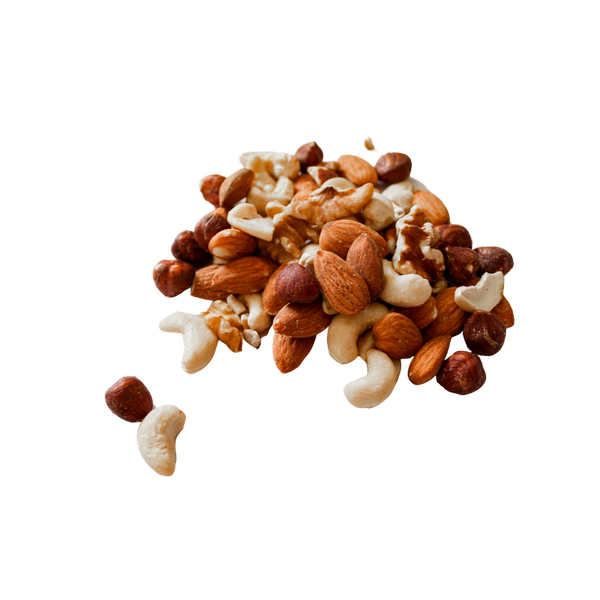
Organic Mixed Raw Nuts


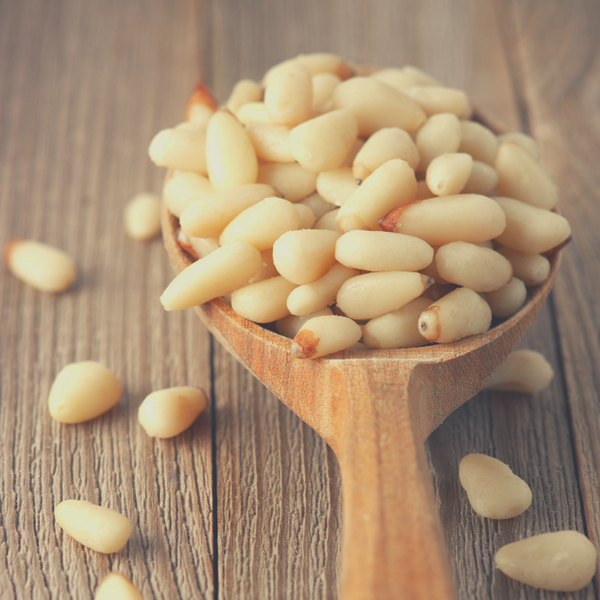
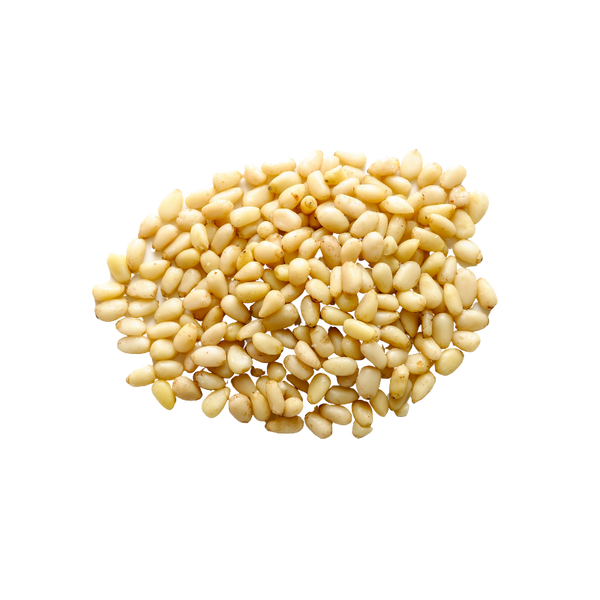
Organic Pine Nuts


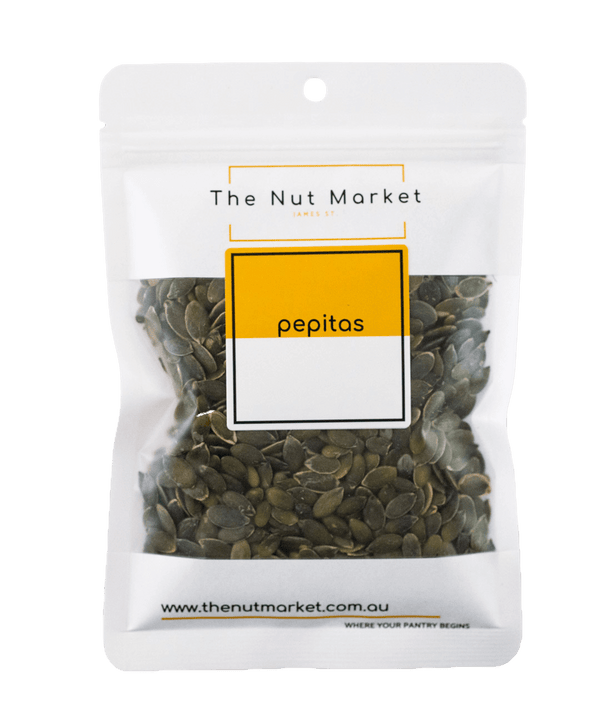
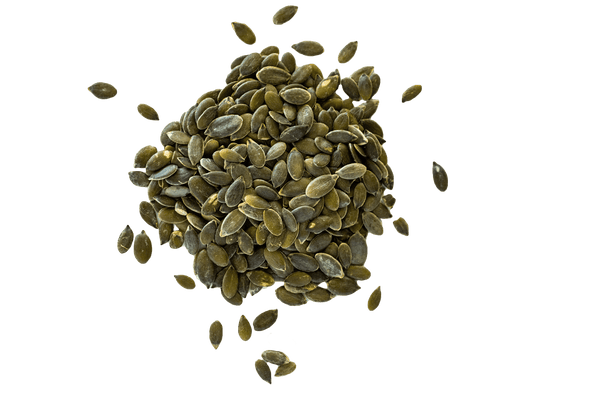
Pepitas - Pumpkin Seeds


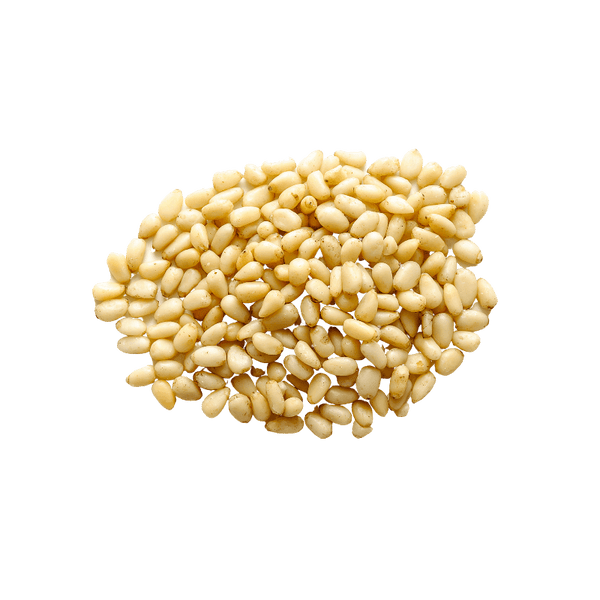
Pine Nuts


Raw Macadamia Nuts


Sesame Seeds




Sunflower Seeds
Article References
Arciero PJ, Poe M, Mohr AE, Ives SJ, Arciero A, Sweazea KL, Gumpricht E, Arciero KM. Intermittent fasting and protein pacing are superior to caloric restriction for weight and visceral fat loss. Obesity (Silver Spring). 2023 Feb;31 Suppl 1(Suppl 1):139-149. doi: 10.1002/oby.23660. Epub 2022 Dec 27. PMID: 36575144; PMCID: PMC10107279.
Australian Government Department of Health and Aged Care. (n.d.). Daily energy requirements calculator. Eat For Health. Retrieved from https://www.eatforhealth.gov.au/nutrition-calculators/daily-energy-requirements-calculator
Healthdirect Australia. (n.d.). Kilojoules. Retrieved from https://www.healthdirect.gov.au/kilojoules
Ein, N., Armstrong, B., & Vickers, K. (2019). The effect of a very low calorie diet on subjective depressive symptoms and anxiety: meta-analysis and systematic review. International journal of obesity (2005), 43(7), 1444–1455. https://doi.org/10.1038/s41366-018-0245-4
Liu, D., Huang, Y., Huang, C., Yang, S., Wei, X., Zhang, P., Guo, D., Lin, J., Xu, B., Li, C., He, H., He, J., Liu, S., Shi, L., Xue, Y., & Zhang, H. (2022). Calorie Restriction with or without Time-Restricted Eating in Weight Loss. The New England journal of medicine, 386(16), 1495–1504. https://doi.org/10.1056/NEJMoa2114833
NIB. (n.d.). Calories vs. kilojoules: What’s the difference?. The Checkup. Retrieved from https://www.nib.com.au/the-checkup/food-and-nutrition/nutrition-tips/calories-vs-kilojoules
NSW Government. (n.d.). What are kilojoules?. NSW Health. Retrieved from https://www.nsw.gov.au/health-and-wellbeing/healthy-living/healthy-eating/kilojoules
Nutrition Australia. (2022). Balancing energy in and energy out. Retrieved from https://nutritionaustralia.org/app/uploads/2022/03/Balancing-energy-in-and-energy-out.pdf
von Schwartzenberg, R. J., Bisanz, J. E., Lyalina, S., Spanogiannopoulos, P., Ang, Q. Y., Cai, J., Dickmann, S., Friedrich, M., Liu, S. Y., Collins, S. L., Ingebrigtsen, D., Miller, S., Turnbaugh, J. A., Patterson, A. D., Pollard, K. S., Mai, K., Spranger, J., & Turnbaugh, P. J. (2021). Caloric restriction disrupts the microbiota and colonization resistance. Nature, 595(7866), 272–277. https://doi.org/10.1038/s41586-021-03663-4