
Sesame Seed Oil: Biggest Health Benefits and Questions Answered
Among many other compounds, sesame seeds contain high amounts of natural oils. When pressed from sesame seed pulp, sesame seed oil can be used in several ways. Sesame seed oil boasts a long culinary and medicinal history, derived from a hardy ancient crop dating back 5,000 years. But what do we know about sesame seed oil's nutritional and therapeutic properties today?

If you're wondering about the health claims surrounding sesame oil, this article will answer some common questions, explore the science and illuminate the truth behind them. You'll understand the nutrient profile of sesame oil and how the constituents contribute to different health effects according to the literature. Keep reading to learn all about this versatile seed oil!
Historical Uses of Sesame Seed Oil
Like the historical uses of sesame seeds, sesame oil has been used for centuries in traditional medicine and cuisine. In Ayurvedic medicine, sesame oil is considered a sacred oil and is often used in massage therapy to improve skin health, promote elasticity and treat minor wounds.
In Chinese culture, sesame oil was used as lamp fuel and taken orally to support digestion and reduce internal inflammation. In Japan, sesame seed oil was used as a commodity as well as in sauces and traditional recipes.
This oil also had religious uses in Mandaeism as an anointing oil known as Misha. Here, it was used during important rituals by Mandaean priests as far back as 2,000 years ago.

How is Sesame Seed Oil Made?
In commercial settings, sesame seed oil is made by extracting oil from the seeds of the sesame plant, which involves four main steps: harvesting, pressing, refining and filtering.
Here is an overview of these steps in more detail:
Harvesting
Sesame plants are grown in warm and tropical regions around the world. The seeds are harvested when they turn brown or black and start to split open. Once harvested, the seeds are cleaned to remove any dirt, debris or impurities.
Pressing
This step can occur in two ways. Cold-pressed oils are extracted by grinding the seeds at a low temperature to preserve the nutrients and flavour. Hot-pressed oils involve heating the seeds before pressing them, which can result in a higher yield but may also affect the quality of the oil.
Refining
After the oil is pressed and extracted from the sesame pulp, it is often refined through various processes, such as degumming, solvent extraction, bleaching and deodorising to improve its stability and shelf life.
Filtering
The final step involves filtering to remove any remaining impurities or particles. This helps to ensure that the oil is pure and safe for consumption.
Light vs Dark Sesame Seed Oil: What's the Difference?
-
Light (or cold-pressed) Sesame Oil: Made from raw, untoasted sesame seeds, this oil is light in colour with a mild, neutral flavour. It has a high smoke point, making it suitable for frying and sautéing.
-
Toasted (or dark) Sesame Oil: This oil is made from toasted sesame seeds, which gives it a darker amber colour and a rich, nutty, and more intense flavour. Due to its lower smoke point and strong taste, it is typically used as a finishing oil or flavour enhancer in dressings, marinades and sauces rather than for high-heat cooking.
Nutritional Profile of Sesame Seed Oil
100 grams of sesame oil typically contains approximately:
-
Saturated Fat: 14g
-
Monounsaturated Fat: 39g
-
Polyunsaturated Fat: 41g
Sesame seed oil contains several important minerals, including magnesium, sodium, iron, zinc and manganese. There are also small amounts of fat-soluble vitamins, including vitamin E, vitamin K and choline. The phytochemical composition of sesame seed oil is also valuable, with the presence of polyphenols, such as sesamin and sesamolin.
Is Sesame Seed Oil Good For You?
In short, yes, sesame seed oil is good for you. A range of health benefits have been established by scientific research, making sesame seed oil a great addition to a balanced diet.
The bioactive compounds in sesame oil have been linked to reducing the impacts of various inflammatory conditions. These include neurodegenerative diseases, diabetes mellitus, liver disease, cardiovascular disease, osteoarthritis and inflammatory bowel disease. Below is a breakdown of recent evidence supporting sesame seed oil for human health.
Promotes Cardiovascular Health
Sesame seed oil has some impressive cardioprotective properties. The plant phytosterols, tocopherols (vitamin E) and lignans in sesame seed oil are potent antioxidants and act as free radical scavengers in the body. Combined with a robust level of polyunsaturated fatty acids, namely omega-3 and omega-6, sesame seed oil reduces systemic inflammation, supports heart function and helps prevent plaque formation in arteries and vasculature.
Helps Protect the Liver
Sesame seed oil has anti-cancer and hepatoprotective properties. Studies demonstrate that sesame oil's active compounds may inhibit the growth of melanomas and colon cancer cells while also protecting against liver cancer. In patients with nonalcoholic fatty liver disease (NAFLD), a low-calorie diet paired with sesame seeds can improve obesity, fatty liver severity and liver enzyme levels.
Enhances Skin Health
The above compounds also protect the skin from excessive UV radiation from sun exposure, as well as environmental pollutants and chemicals. They also support the regeneration of new cells on the skin's surface. In addition, sesame seeds contain zinc, which plays a key role in maintaining the health and integrity of skin cells.
Supports Balanced Blood Glucose
Oil from sesame seeds has shown potential benefits for managing diabetes, including lowering fasting blood glucose levels and reducing haemoglobin A1c levels. This has downstream benefits for insulin sensitivity, decreased systemic inflammation and improved kidney function. This evidence suggests that sesame seed oil should be considered as an essential functional food for blood glucose management in people living with diabetes.

Cooking with Sesame Seed Oil
Sesame oil's versatility makes it a valuable ingredient in the kitchen. How you use it largely depends on whether you have the light or toasted variety.
Light (Cold-Pressed) Sesame Oil
With its high smoke point and mild flavour, this oil is ideal for sautéing and stir-frying vegetables, meats, and tofu at medium to high heat. It's also great for shallow- or deep-frying. If you want to use sesame oil to fry food, be mindful of the temperature you’re using, as higher heat makes it more prone to oxidation.
Dark or Toasted Sesame Oil
Its intense, nutty aroma makes dark sesame oil a flavour booster rather than a primary cooking oil. It's a strong oil, so use sparingly - a little goes a long way. Toasted sesame oil is wonderfully fragrant in dressings and vinaigrettes in salads or Asian-inspired noodle dishes. It also works well as a marinade for meat and fish, combined with ginger, garlic, soy and chilli (yum!). Lastly, it is ideal as a finishing oil to dress soups, rice or vegetables for a final flavour burst.
How to Choose and Store Sesame Seed Oil
To get the most benefit from sesame seed oil, it's vital to select a high-quality product and store it correctly.
-
Choosing Your Oil: Look for oils labelled "cold-pressed" or "unrefined" for the highest nutrient content, especially if you plan to use light sesame oil for cooking. For toasted oil, a darker colour often indicates a richer flavour. Opt for organic varieties to avoid exposure to pesticides.
-
Proper Storage: Due to its high polyunsaturated fat content, sesame oil can go rancid if not stored properly. Keep it in a cool, dark place, away from direct sunlight and heat. Once opened, it's best to refrigerate it to extend its shelf life. A rancid oil will have a bitter, unpleasant smell and taste and should be discarded. More importantly, it can be inflammatory in the body, so just ditch your sesame seed oil if it has oxidised.
A Flavourful Path to Better Health
Sesame seed oil has a robust nutritional profile, rich antioxidant content and is full of healthy fats. From skin health, protecting the liver and promoting better heart function, there are a tonne of reasons why you should consider including this natural oil in your diet. Use light sesame oil for your daily cooking or drizzle toasted oil over a salad or stir-fry. However you choose to incorporate this versatile and nutty oil, you'll be supporting your overall wellbeing.
Frequently Asked Questions On Sesame Seed Oil
Is sesame oil healthier than olive oil?
Both sesame oil and olive oil are rich in healthy unsaturated fats and offer numerous health benefits. The main difference lies in their fatty acid composition and antioxidant profiles. Olive oil is primarily monounsaturated fat (oleic acid), while sesame oil has a more balanced mix of monounsaturated and polyunsaturated fats. Olive oil contains antioxidants like oleocanthal, while sesame oil contains sesamin and sesamolin. Both are excellent choices for a healthy diet and incorporating each of them can be a great way to add variety to your diet.
Is sesame oil high in cholesterol?
No, sesame oil, like all plant-based oils, is cholesterol-free. In fact, its high content of unsaturated fats can help lower blood cholesterol levels. However, it’s important to understand that cholesterol itself isn’t inherently bad. Cholesterol plays a key role in the body, helping to build cell membranes, produce hormones and generate vitamin D. Demonising a food solely based on its cholesterol content oversimplifies the story. Factors like overall diet, lifestyle, and genetics also play a role in managing cholesterol levels. Instead of focusing narrowly on cholesterol, it’s more beneficial to consider the broader nutritional value and how a food fits into a balanced diet. In the case of sesame oil, its unsaturated fats and nutrient profile make it a valuable addition to a healthy diet.
Is sesame seed anti-inflammatory?
Yes, sesame seeds and their oil have potent anti-inflammatory properties, primarily due to the presence of plant-derived compounds called phytochemicals, including the antioxidants sesamin and sesamolin. These compounds often act as antioxidants, reducing oxidative stress by neutralising harmful free radicals that can damage cells and lead to chronic inflammation. Sesamin and sesamolin, two key lignans found in sesame seed oil, are particularly effective in supporting human health. They exhibit strong anti-inflammatory effects by modulating inflammatory pathways in the body and benefit human health in a range of ways (see above).
Can you fry eggs with sesame oil?
Yes, you can fry eggs using sesame oil. Doing this can elevate the taste, adding a unique nuttiness and a quick boost of healthy fats and antioxidants. Sesame oil has a relatively high smoke point for unrefined oils, making it suitable for frying at moderate temperatures. It's best to use light sesame oil in this instance, as it has a higher smoke point than dark sesame oil.
Who should avoid sesame seeds?
Individuals with a sesame allergy must avoid sesame seeds and all products derived from them, including sesame oil. Avoid foods like tahini, bread and baked goods and sesame snacks and check the ingredient label on packaged foods such as crackers, salad dressings and marinades. Sesame allergies can trigger reactions ranging from mild, such as hives or an upset stomach, to severe, such as anaphylaxis, which is a life-threatening condition. It is crucial to read food labels carefully, as sesame is often a hidden ingredient in many processed foods, dressings, and sauces.
Is sesame seed oil good for joint pain?
Some animal studies have shown that sesame oil can help with arthritis-related pain and stiffness. The anti-inflammatory properties of sesame seed oil appear to have pain-relieving potential. Other studies have shown that both consuming the oil and applying it topically can reduce pain and inflammation.
Is sesame good for gut health?
Sesame seeds are a good source of fibre, which is crucial for a healthy digestive system. The oil itself does not contain fibre, but its anti-inflammatory properties may help soothe inflammatory conditions in the digestive system. Additionally, sesame seed oil has been shown to have prebiotic effects, promoting the growth of beneficial gut bacteria.
Shop Now



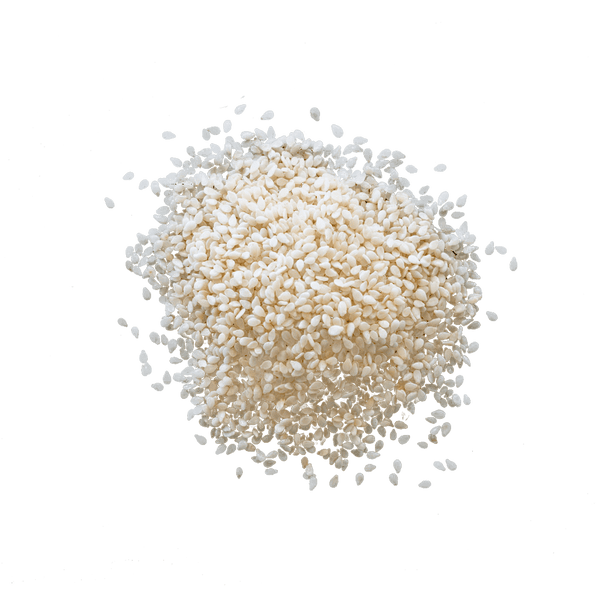
Sesame Seeds




Article References
Arab, R., Casal, S., Pinho, T., Cruz, R., Freidja, M. L., Lorenzo, J. M., Hano, C., Madani, K., & Boulekbache-Makhlouf, L. (2022). Effects of Seed Roasting Temperature on Sesame Oil Fatty Acid Composition, Lignan, Sterol and Tocopherol Contents, Oxidative Stability and Antioxidant Potential for Food Applications. Molecules (Basel, Switzerland), 27(14), 4508. https://doi.org/10.3390/molecules27144508
Mititelu, M., Lupuliasa, D., Neacșu, S. M., Olteanu, G., Busnatu, Ș. S., Mihai, A., Popovici, V., Măru, N., Boroghină, S. C., Mihai, S., Ioniță-Mîndrican, C. B., & Scafa-Udriște, A. (2024). Polyunsaturated Fatty Acids and Human Health: A Key to Modern Nutritional Balance in Association with Polyphenolic Compounds from Food Sources. Foods (Basel, Switzerland), 14(1), 46. https://doi.org/10.3390/foods14010046
Mostashari, P., & Mousavi Khaneghah, A. (2024). Sesame Seeds: A Nutrient-Rich Superfood. Foods (Basel, Switzerland), 13(8), 1153. https://doi.org/10.3390/foods13081153
Oboulbiga, E. B., Douamba, Z., Compaoré-Sérémé, D., Semporé, J. N., Dabo, R., Semde, Z., Tapsoba, F. W., Hama-Ba, F., Songré-Ouattara, L. T., Parkouda, C., & Dicko, M. H. (2023). Physicochemical, potential nutritional, antioxidant and health properties of sesame seed oil: a review. Frontiers in nutrition, 10, 1127926. https://doi.org/10.3389/fnut.2023.1127926
Wikipedia Contributors. (2025, December 16). Sesame Oil. Retrieved from Wikipedia website: https://en.wikipedia.org/wiki/Sesame_oil#Religious_uses, viewed 16 December 2025
Wikipedia Contributors. (2025, December 16). Mandaean priest. Retrieved from Wikipedia website: https://en.wikipedia.org/wiki/Mandaean_priest, viewed 16 December 2025
Wei, P., Zhao, F., Wang, Z., Wang, Q., Chai, X., Hou, G., & Meng, Q. (2022). Sesame (Sesamum indicumL.): A Comprehensive Review of Nutritional Value, Phytochemical Composition, Health Benefits, Development of Food, and Industrial Applications. Nutrients, 14(19), 4079. https://doi.org/10.3390/nu14194079